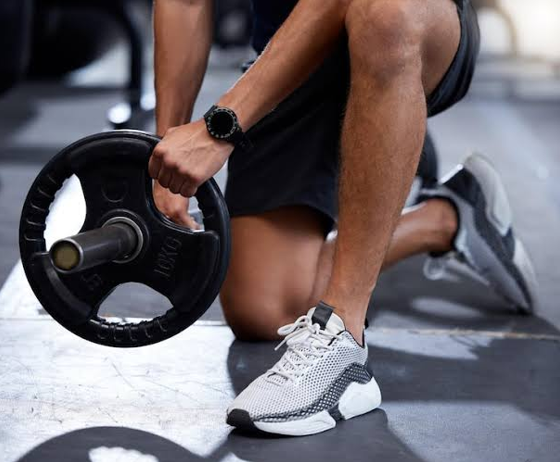

A heavy lift depends on more than strength. Foot placement, balance, ankle movement, and contact with the floor all influence how a lifter moves through a squat or other strength exercise. Even small changes in footwear can affect how stable a person feels under a loaded barbell. This is one reason weightlifting shoes have a dedicated place in many strength-training routines.
Unlike ordinary running sneakers, weightlifting shoes are generally designed with a firm sole, a stable base, and a raised heel in many models. These features support a different style of movement, particularly during exercises that require an upright torso and substantial ankle flexion. Understanding the details behind their construction helps lifters decide whether specialised footwear suits their training.
The Sole Makes a Difference Under Load
The sole is one of the most noticeable differences between weightlifting footwear and everyday athletic shoes. Running shoes often use soft, cushioned midsoles to absorb impact during repeated strides. During heavy lifting, however, excessive compression beneath the feet can make the platform feel less predictable.
A firmer sole provides a more consistent surface for transferring force into the floor. During a squat, this can help the lifter maintain a steady foot position while pushing through the ground. It may also make changes in balance easier to recognise because the foot is not sinking as much into a soft midsole.
Stability does not come from footwear alone. Proper technique, suitable loading, and controlled movement remain essential. A rigid platform simply provides a different foundation for the lifter to work from.
The outsole also deserves attention. A broad contact area and dependable traction help reduce unwanted slipping on an appropriate gym surface. Before purchasing a pair, check how the outsole feels during bodyweight squats and controlled movements rather than judging it solely by its appearance.
See also: Designing for the Next Maintenance Visit Instead of Only the Delivery Day
Why a Raised Heel Can Help During Squats
Many dedicated weightlifting shoes feature an elevated heel, often made from dense materials that resist compression. This design changes the angle of the foot relative to the floor and can make deeper squatting positions more accessible for some lifters.
Ankle mobility affects how far the knees can travel forward while the heels remain grounded. People with limited ankle dorsiflexion may find it difficult to reach a comfortable squat depth without leaning their torso excessively forward or allowing their heels to lift. A raised heel can reduce the amount of ankle mobility required to achieve a similar position.
The benefit is particularly relevant to movements such as front squats and Olympic lifts, where maintaining an upright torso can help support effective positioning. The heel does not automatically correct poor technique, but it may make certain positions easier to reach.
Not every lifter needs an elevated heel. Some people have sufficient ankle mobility to squat comfortably in flat-soled shoes. Others prefer a flatter platform for particular exercises. The appropriate heel height depends on individual proportions, mobility, lifting style, and training goals.
Straps and Laces Keep the Foot Secure
The way a shoe holds the foot in place is another detail that can influence stability. Many weightlifting models combine traditional laces with one or more midfoot straps. Laces allow the wearer to adjust the fit across different areas, while straps can help limit unwanted movement during demanding lifts.
A secure fit helps the foot remain positioned over the platform as the lifter lowers into a squat and drives upward. Excessive movement inside the shoe may make the base feel less controlled, particularly when the load becomes challenging.
The upper material also contributes to the overall fit. Stronger overlays and structured panels can help the shoe retain its shape during repeated training sessions. However, a supportive upper should not squeeze the foot or restrict circulation.
When trying on a pair, fasten the laces and straps as you would during a workout. Stand, perform a few bodyweight squats, and check for heel movement, pressure around the midfoot, or discomfort near the toes. A secure fit should feel supportive without being painfully tight.
Different Lifts Place Different Demands on Footwear
Weightlifting shoes are particularly associated with squats and Olympic lifts, but their usefulness varies across a complete training programme. Understanding the demands of each movement can help you decide when to wear them.
During back squats and front squats, a stable platform and raised heel may help some lifters maintain their preferred positions. In Olympic weightlifting, where the lifter receives the bar in a deep squat, the combination of heel elevation and a firm sole can support consistent foot placement.
Deadlifts require a slightly different consideration. Many lifters prefer flat-soled footwear because a lower starting position relative to the floor can be useful for their setup. Some choose specialised deadlift shoes or other footwear with minimal sole thickness.
For accessory exercises, the choice depends on the movement. Machines, upper-body exercises, and certain standing movements may not require dedicated weightlifting shoes. Running, jumping, and agility drills generally call for footwear designed for those activities rather than a rigid lifting platform.
Using different shoes for different sessions is a practical option for people who combine strength work with running or other forms of conditioning.
Construction Materials Affect Long-Term Performance
The materials used in weightlifting footwear influence its durability, weight, and resistance to compression. Dense heel materials are commonly selected to maintain a consistent platform under load. Some models use hard plastic or similar synthetic constructions, while others use layered materials designed to provide a firm base.
The upper may combine synthetic overlays, woven fabrics, or other structured materials. These components need to hold the foot securely while allowing enough flexibility for comfortable wear. Reinforced stitching and well-attached straps are also worth checking because these areas experience repeated stress during training.
A shoe does not need to feel heavy to provide stability, nor does a premium price guarantee a better fit. Construction quality, comfort, and the demands of your training matter more than branding alone.
After workouts, allow the shoes to dry in a ventilated area. Remove surface dirt with a soft brush or cloth, following the manufacturer’s cleaning instructions. Avoid excessive heat, which can damage adhesives and other materials. Regularly inspect the sole, straps, stitching, and heel for visible wear.
Choose a Pair That Matches Your Lifting Goals
Buying specialised footwear makes more sense when it addresses a specific training need. Beginners who are learning basic lifting movements may initially be comfortable in suitable flat, stable athletic shoes. A dedicated pair can become useful as training develops, particularly if the lifter performs squats or Olympic lifts regularly.
Before making a purchase, consider your ankle mobility, preferred squat depth, foot width, and the exercises that occupy most of your training sessions. Try different heel heights when possible, and pay attention to how each option affects your balance and comfort.
It can also help to consult a qualified coach if you are unsure whether footwear or movement technique is limiting your squat position. Shoes may assist with positioning, but they cannot replace mobility work, appropriate programming, or sound lifting mechanics.
Avoid choosing a pair simply because another lifter uses it. Differences in limb proportions, experience, and movement patterns mean that the same shoe may feel very different from one person to another.
Small Details Can Change the Lifting Experience
A more stable lift often comes from several factors working together. The contact between the sole and floor, the angle created by the heel, and the way the upper secures the foot all contribute to the feel of the movement. These details explain why weightlifting shoes are designed differently from footwear intended primarily for walking or running.
The most suitable pair is one that supports your lifting technique without creating discomfort or encouraging you to ignore movement limitations. Test the fit, assess your training needs, and introduce new footwear during manageable sessions before using it for heavy attempts. A dependable platform can help you focus on the lift itself, allowing technique and strength to remain the centre of your progress.