
Topical skincare treatments may contain more than one active ingredient to address different aspects of a skin concern. Ivermectin and niacinamide are two ingredients that have different properties and uses. Ivermectin has antiparasitic and anti-inflammatory activity, while niacinamide, a form of vitamin B3, is commonly used in skincare products to support the skin barrier and improve the appearance of uneven skin tone.
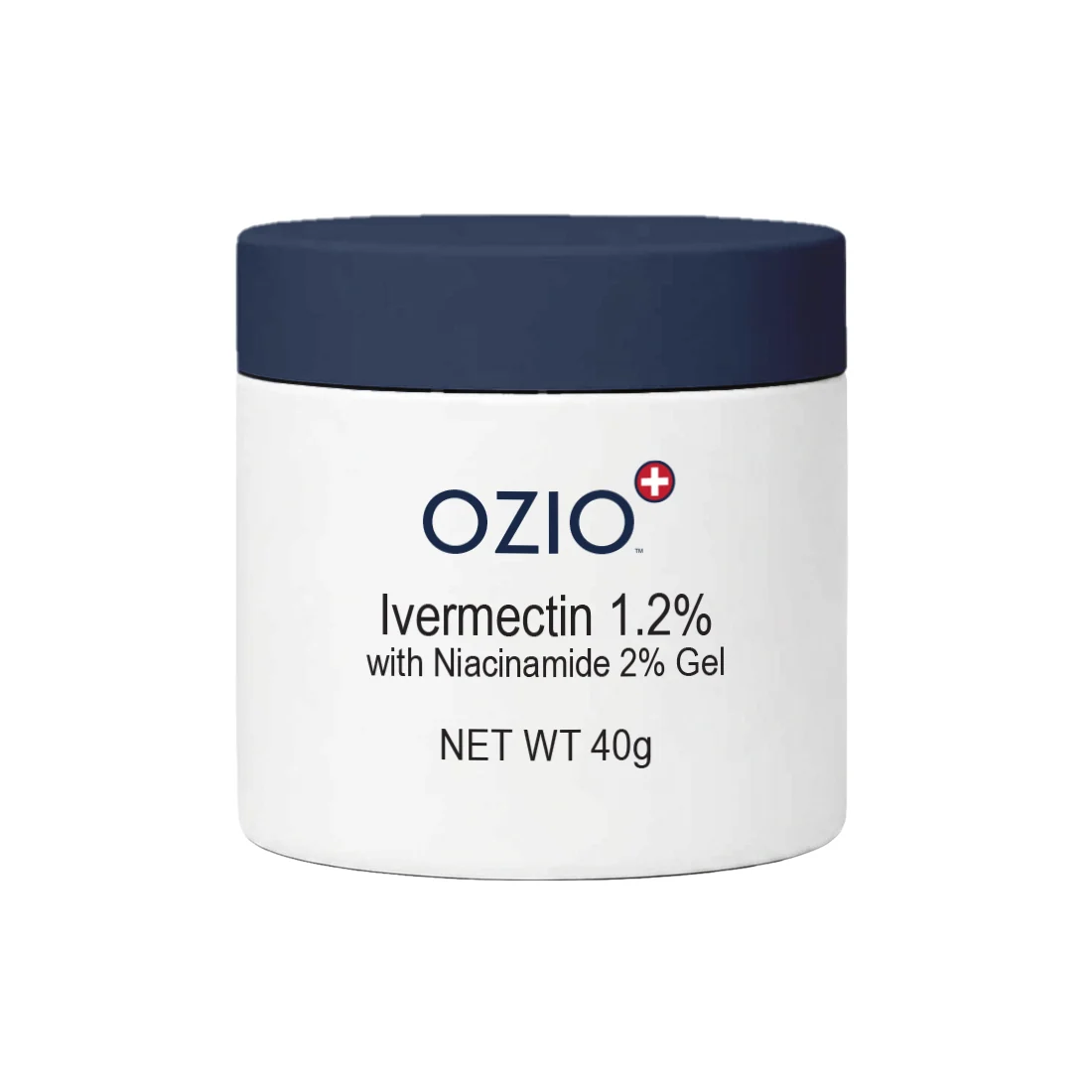
Products described as ivermectin niacinamide gel may combine these ingredients in a single formulation. However, their exact composition, approved uses, and directions depend on the manufacturer and the country in which the product is supplied. Patients should check the product label and confirm its suitability with a healthcare professional before using it.
Understanding the Two Main Ingredients
Ivermectin and its role in skin treatment
Ivermectin is a medication with antiparasitic properties. Certain topical formulations are prescribed for inflammatory lesions associated with rosacea, a chronic condition that can cause facial redness, bumps, and pustules.
Ivermectin also has anti-inflammatory effects that may contribute to symptom improvement. Its action against certain microscopic organisms, including Demodex mites, is another area of interest in rosacea treatment.
The presence of ivermectin in a gel does not automatically mean the product is approved for rosacea or another skin condition. The concentration, formulation, and regulatory status must be checked before use.
Niacinamide as a skincare ingredient
Niacinamide is a form of vitamin B3 used in many moisturizers, serums, and other topical products. It is associated with several skin-supporting functions.
It can help support the skin barrier, which reduces excessive moisture loss and helps protect the skin from external irritants. It may also help improve the appearance of uneven pigmentation and support a more balanced-looking complexion.
Some people find niacinamide helpful for oily skin, although results depend on the concentration, formulation, and individual skin type. It is not a substitute for prescription treatment when a medical skin condition requires specific therapy.
Why Combine Ivermectin and Niacinamide?
A formulation containing both ingredients may be designed to address inflammatory skin symptoms while supporting the skin barrier. Ivermectin and niacinamide act through different mechanisms, so their intended roles should be considered separately.
Ivermectin may help reduce inflammatory lesions associated with certain forms of rosacea. Niacinamide may support barrier function and improve tolerance of a skincare routine in some individuals.
However, the benefits of a combination product cannot be assumed from research on each ingredient alone. The finished formulation needs appropriate evidence for its intended use. The concentration of each ingredient, the gel base, and other components can affect its performance and tolerability.
Patients should also avoid assuming that a product containing these ingredients has the same clinical evidence as a separately approved ivermectin cream.
Checking the Formulation Before Use
Products can differ substantially, even when their names sound similar. Before beginning treatment, check the packaging for the following details.
Active ingredient concentrations: Look for the stated percentage or strength of ivermectin and niacinamide. Do not estimate concentrations from marketing descriptions.
Intended use: Confirm whether the product is prescribed for rosacea or another specific condition. A cosmetic product and a prescription medicine are not necessarily subject to the same standards.
Directions for application: The instructions should specify where the gel may be applied, how often it should be used, and any areas that must be avoided.
Manufacturer and product information: Check the expiry date, storage requirements, batch details, and source of supply. Use a legitimate pharmacy or authorized supplier where applicable.
Additional ingredients: Fragrances, preservatives, solvents, and other components may influence skin tolerance. People with known allergies should review the ingredient list with a pharmacist or clinician.
If the label is unclear or the product lacks reliable instructions, ask a healthcare professional before applying it.
Applying the Gel Correctly
Application instructions should come from the exact product label or prescription. Do not automatically follow the schedule used for another ivermectin formulation.
Prepare the skin
Wash the affected area with a mild cleanser, unless your clinician has provided different instructions. Pat the skin dry instead of rubbing it. Avoid applying the gel to broken, severely irritated, or infected skin unless a clinician specifically advises it.
Use the directed amount
Apply only the quantity stated in the product instructions. More product does not necessarily produce faster results and may increase the likelihood of irritation.
Spread the gel gently over the prescribed area. Avoid the eyes, lips, and the inside of the nose or mouth unless the product is specifically intended for those sites.
Wash your hands afterward
Clean your hands after applying the product unless your hands are the area being treated. Avoid transferring the medication to the eyes or other sensitive areas.
Follow a consistent routine
Use the gel at the prescribed frequency. If you miss an application, check the product instructions or ask your pharmacist what to do. Do not double the next application.
If other prescription creams or skincare products are part of your routine, ask whether they should be applied at different times. Introducing multiple active ingredients together can make irritation harder to identify.
Possible Side Effects
Both the medication and the formulation base may contribute to unwanted skin reactions. Possible effects include redness, burning, itching, dryness, stinging, or irritation at the application site.
Niacinamide is tolerated by many people, but it does not guarantee that a combination product will suit every skin type. A reaction may be caused by ivermectin, niacinamide, or another ingredient in the gel.
Stop applying the product and seek medical advice if you develop significant irritation or a worsening rash. Facial swelling, blistering, or widespread symptoms require prompt assessment. Difficulty breathing or swelling of the throat is an emergency.
Do not continue applying a product to an area that becomes increasingly painful or inflamed without professional guidance.
Who Should Seek Advice Before Using It?
People who are pregnant, planning pregnancy, or breastfeeding should consult a healthcare professional before starting a medicinal product containing ivermectin. The advice should be based on the specific formulation and its prescribing information.
Patients with sensitive skin, a history of allergic reactions, or an existing skin condition should also seek guidance. Children should not use a product unless it is appropriate for their age and specifically recommended by a qualified professional.
Anyone taking other medications or using multiple prescription skincare treatments should disclose them to the prescriber. This helps the clinician assess whether the proposed combination is suitable.
Avoid using ivermectin niacinamide gel simply because someone else experienced good results. Facial redness and bumps can result from rosacea, acne, dermatitis, infection, or other conditions that may need different treatment.
How Long Does Improvement Take?
The expected response depends on the condition being treated and the exact product. Skin-barrier changes and improvements in inflammatory lesions may occur over different periods.
Do not expect an immediate change after one or two applications. Follow the treatment schedule and review progress over the period recommended by your clinician.
If symptoms do not improve, become worse, or return repeatedly, arrange a medical review. The answer may involve confirming the diagnosis, changing the treatment, or addressing factors that aggravate the skin.
Avoid increasing the concentration or frequency without medical advice. A stronger product is not necessarily more effective or safer.
Supporting Skin Health During Treatment
A simple skincare routine can reduce unnecessary irritation. Use a gentle cleanser, a suitable moisturizer, and sunscreen when appropriate. Avoid harsh scrubs and introduce other active ingredients cautiously.
For patients with rosacea, identifying personal triggers may also help. Sun exposure, heat, hot drinks, and certain foods can worsen symptoms in some people, but triggers are not the same for everyone.
Keep a record of changes in the skin and any side effects. This information can help a healthcare professional determine whether the product is working as expected.
Frequently Asked Questions
Can ivermectin and niacinamide be used together?
They may be combined in a formulated product, but suitability depends on the exact ingredients, concentrations, and intended use. Confirm that the product is appropriate for your condition.
Is ivermectin niacinamide gel suitable for acne?
It should not be assumed to be an acne treatment. Ivermectin-containing topical medicines have specific approved uses, and a clinician should identify the cause of the skin problem before recommending treatment.
Can the gel be used every day?
Only if the product instructions or prescriber recommend daily use. Application schedules vary by formulation.
Does niacinamide prevent all irritation?
No. Although niacinamide may support the skin barrier, it cannot prevent every adverse reaction caused by ivermectin or other ingredients.
Should I use moisturizer with the gel?
A suitable moisturizer may help support skin comfort, but ask your clinician or pharmacist about the correct order of application and whether your chosen product is compatible.
Making an Informed Choice
Ivermectin and niacinamide have different functions, and their combination may be intended to address more than one aspect of skin care. The actual benefits depend on the finished product, its evidence, and the condition being treated.
Patients should verify the formulation, follow the supplied directions, and monitor their skin for unwanted reactions. Professional advice is particularly useful when symptoms are persistent, the diagnosis is uncertain, or several treatments are being considered. A careful approach helps ensure that the product is used for an appropriate purpose rather than as an unverified substitute for medical care.