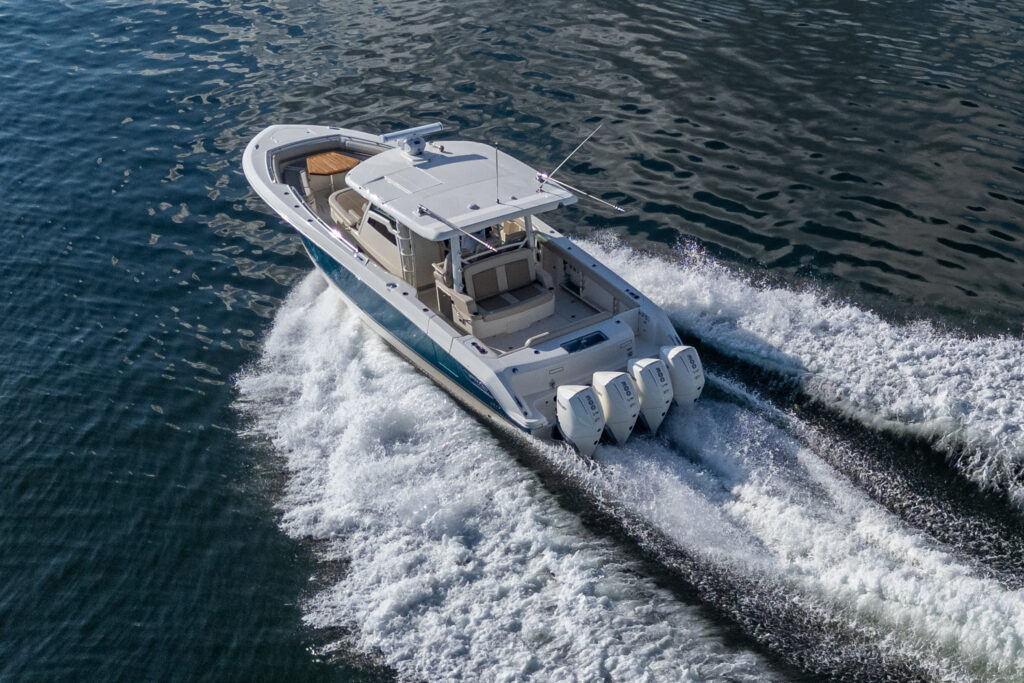

Buying a used center console boat can provide access to a capable offshore vessel without the cost of purchasing new. Intrepid boats appeal to many recreational boaters because the brand is associated with performance-oriented center consoles, distinctive hull designs, and layouts suited to fishing, cruising, and entertaining.
The range of used Intrepid center console boats available can include vessels with different lengths, engine configurations, seating arrangements, and onboard equipment. Choosing the right model requires a clear understanding of how the boat will be used, what its maintenance history reveals, and which features deserve priority.
A well-chosen used boat can serve its owner for years, but the purchase should be based on condition and suitability rather than brand recognition alone.
For buyers exploring pre-owned options, used Intrepid center console boats offer a starting point for comparing available models, features, and configurations to find a vessel that suits their boating needs.
Start With Your Boating Requirements
Before comparing listings, identify the activities the boat needs to support. An owner who regularly fishes offshore may require a different configuration from someone who spends weekends cruising between coastal destinations or visiting sandbars with family and friends.
Offshore Fishing
Offshore anglers should examine hull design, available deck space, fuel capacity, engine performance, and the arrangement of fishing equipment. Rod holders, livewells, insulated fish boxes, tackle storage, and accessible washdown facilities can make fishing trips more practical.
The deck should provide enough room for passengers to move safely while lines are deployed or fish are brought aboard. Check whether seating or additional accessories restrict movement around the cockpit and bow.
Range is another consideration. The boat should have sufficient fuel capacity for the intended route, with a prudent reserve for changing weather, detours, and unexpected delays. Ask for realistic fuel-consumption figures at typical cruising speeds rather than relying on advertised maximum performance.
Family Cruising and Entertaining
Families may prefer a layout with comfortable seating, shade, easy boarding, and convenient access to storage. Bow lounges, aft seating, freshwater showers, and refrigeration can improve the experience during longer days on the water.
Safety and accessibility deserve equal attention. Check the height and placement of handholds, the ease of moving between seating areas, the condition of deck surfaces, and the location of boarding ladders. Consider how children and older passengers will move around the vessel.
A boat designed mainly for fishing may not offer the same comfort as one configured for entertaining. Buyers should inspect the actual layout and avoid assuming that every Intrepid model has identical seating or amenities.
Coastal Trips and Overnight Use
Some owners want a boat suitable for longer coastal journeys or occasional overnight stays. In these cases, the available cabin space, enclosed head, ventilation, electrical capacity, and freshwater facilities become more relevant.
Not every center console is intended for overnight accommodation. Verify the precise equipment fitted to each listing and decide whether the available facilities are suitable for the planned trips.
Compare Intrepid Models by Size and Layout
Intrepid’s model range includes boats with different dimensions and purposes, so buyers should compare specific models rather than treat the brand as a single category. Length influences deck space, passenger capacity, storage, and operating costs, but it should not be the only selection criterion.
Smaller models may be easier to handle, store, and maintain. Larger models can provide more seating, fuel capacity, and offshore capability, but they may also require greater engine power, more expensive dockage, and additional maintenance.
Look beyond the model name to confirm the hull length, beam, draft, weight, fuel capacity, and recommended operating limits. Specifications can differ by model year and configuration.
Create a shortlist based on the following considerations:
- Intended use, including fishing, cruising, and entertaining.
- Hull condition and documented repair history.
- Engine type, power, operating hours, and maintenance records.
- Fuel capacity and expected running costs.
- Seating, storage, electronics, and fishing equipment.
- Trailer compatibility or marina requirements, where applicable.
Comparing boats against the same criteria makes it easier to recognise which listing offers the best fit.
Assess the Hull and Construction
A used boat’s structural condition should carry more weight than its cosmetic appearance. Fresh upholstery and polished fittings may make a vessel look appealing, but they do not establish the condition of the hull, deck, transom, or internal systems.
Inspect the hull for visible cracks, impact damage, blistering, unusual repairs, and areas where the finish appears inconsistent. Look closely around fittings, through-hull components, and other locations where water may enter.
The deck and transom deserve particular attention because they experience repeated loading from passengers, equipment, engine forces, and rough-water operation. Soft spots, unusual movement, or unexplained cracking should be investigated by a qualified marine surveyor.
Depending on the construction and the survey findings, moisture testing or additional structural assessment may be appropriate. Buyers should request details of previous accidents, grounding incidents, and repairs, then verify the available records.
The boat’s maintenance history can provide valuable context. Regular servicing, documented repairs, and evidence of appropriate storage are generally more useful indicators than a seller’s description of the vessel as being in excellent condition.
Examine the Engines Before Making an Offer
Engine condition can significantly affect the total cost of purchasing a used Intrepid center console. The exact inspection requirements depend on whether the vessel has single, twin, triple, or other engine arrangements.
Request service invoices, engine identification details, maintenance schedules, and available diagnostic reports. Confirm the recorded operating hours and ask how the boat was typically used. Frequent short trips, extended high-load operation, saltwater exposure, and prolonged periods without proper maintenance can affect mechanical condition in different ways.
A qualified marine technician should inspect each engine and its associated systems. This assessment may cover cooling, fuel delivery, electrical connections, steering components, corrosion, propellers, and engine controls.
Do not assume that low engine hours guarantee good condition. Engines that have been stored improperly or maintained inconsistently may require significant work despite limited use. Conversely, engines with higher hours and strong maintenance records may remain serviceable.
A sea trial should be arranged once the preliminary inspection permits it. Observe starting behaviour, acceleration, steering response, vibration, engine temperatures, and any warning indicators. Test the vessel at appropriate speeds and operating conditions without exceeding safe limits.
The technician’s findings should be considered alongside the survey report before the final purchase price is agreed.
Check Electronics and Onboard Equipment
Navigation equipment can affect both safety and convenience. Depending on the vessel’s age and configuration, a used Intrepid may have GPS chartplotters, multifunction displays, radar, sonar, VHF radio, autopilot, and integrated engine monitoring.
Test each installed system and check whether the equipment meets current operational needs. Older displays may still function reliably but could have limited chart support, outdated software, or compatibility issues with replacement components.
Inspect batteries, charging systems, electrical panels, bilge pumps, navigation lights, and freshwater equipment. Confirm that switches and controls operate correctly, and investigate intermittent faults rather than assuming they are minor issues.
Fishing accessories should also be tested. Livewell pumps, washdown systems, rod holders, fish-box drains, and any installed outriggers should be examined for damage and proper operation.
Make a list of missing or defective equipment and obtain realistic replacement estimates. These costs can influence whether a boat represents good value compared with another listing.
Understand the Full Cost of Ownership
The advertised price is only the starting point for budgeting. Ownership expenses can include fuel, insurance, routine engine servicing, haul-outs, cleaning, dockage, storage, electronics repairs, and replacement parts.
Larger boats and higher-powered engine configurations generally require more resources to operate, although actual expenses depend on use and condition. Ask local service providers and marinas for estimates based on the specific boat.
Insurance quotations should be obtained before purchase. Coverage may depend on the boat’s age, value, operating area, engine configuration, owner experience, and survey findings.
For trailerable models, check the combined weight of the boat, engines, fuel, equipment, and trailer. Confirm that the towing vehicle is suitable and that the trailer’s brakes, bearings, tyres, and structural components are in good condition.
If the boat will remain in a marina, confirm that the available berth accommodates its length, beam, and draft. Storage and storm-preparation requirements should also be considered when estimating annual expenses.
Research the Seller and Negotiate Carefully
Ask the seller for the title or applicable ownership documentation, registration details, hull identification number, maintenance invoices, and records of significant repairs. Confirm that the person selling the vessel has the authority to do so and investigate any liens or other encumbrances before completing the transaction.
Compare the asking price with similar boats of comparable age, specification, engine configuration, and condition. Differences in electronics, refits, service records, and engine replacement can justify price variations, but claimed upgrades should be supported by invoices or other evidence.
An independent marine survey can identify defects that are not apparent during a viewing. If the inspection reveals substantial concerns, obtain repair estimates before negotiating. A written purchase agreement should specify the deposit, inspection conditions, sea-trial arrangements, included equipment, and closing requirements.
Avoid making a final commitment solely because the boat appears well maintained in photographs. Inspection findings and verified records provide a stronger basis for a decision.
Select an Intrepid That Suits Your Plans
The best used Intrepid center console is one that fits the owner’s activities, experience, budget, and preferred operating conditions. A fishing-focused layout may suit offshore anglers, while a model with more seating and shade may be more practical for family outings.
Buyers comparing used Intrepid center console boats should focus on the specific vessel’s condition, engine health, equipment, and ownership history. A professional survey, mechanical inspection, and suitable sea trial help establish whether the boat is worth its asking price.
A realistic assessment of annual expenses also helps prevent an affordable purchase from becoming an expensive commitment. With careful research and a clear set of priorities, buyers can select a boat that provides the space, performance, and practicality they need for years of boating.