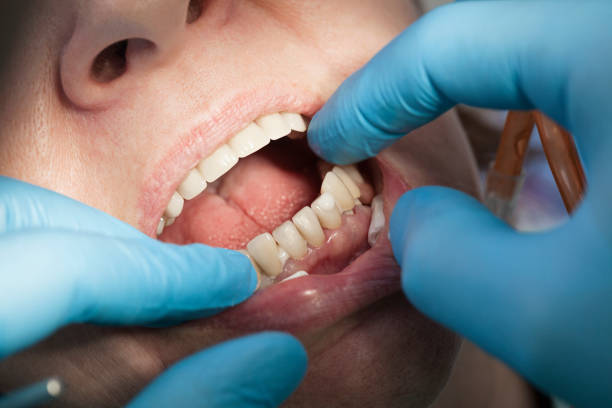

Missing teeth can affect chewing, speech, and the health of the jawbone. Dental implants offer a way to replace missing teeth with artificial teeth supported by small posts placed in the jawbone. Choosing a dental implant clinic in Texas involves more than comparing prices. Patients should understand the treatment options, the dentist’s qualifications, the expected healing period, and the care required after surgery.
A well-planned implant treatment starts with a careful examination and a clear explanation of the available choices. Knowing what to ask before treatment can help you make an informed decision about your oral health and long-term dental needs.
What Makes Dental Implants Different From Other Tooth Replacements?
Dental implants are designed to replace missing tooth roots and support artificial teeth. They are commonly made from titanium or other biocompatible materials that can bond with the jawbone during healing.
Unlike removable dentures, implants can provide a fixed foundation for replacement teeth. They may support a single crown, a bridge that replaces several teeth, or a full-arch restoration. The most suitable option depends on the number of missing teeth, the condition of the jawbone, and the patient’s overall oral health.
The Main Parts of a Dental Implant
Most traditional implant restorations contain three main components:
- Implant post: Placed in the jawbone to provide support.
- Abutment: Connects the implant post to the replacement tooth.
- Crown or bridge: The visible part that restores the missing tooth or teeth.
Not every implant treatment uses the same design. Full-arch restorations may use several implants to support a larger set of replacement teeth. A dental professional can explain the design, materials, and maintenance needs of each option.
How to Choose the Right Dental Implant Clinic
The clinic you choose should explain the treatment process clearly and assess your needs before recommending surgery. A dental implant procedure involves planning, placement, healing, and restoration, so patients should understand what each stage requires.
Look for a provider who reviews your medical history, examines your gums, evaluates your bite, and uses appropriate imaging. Clear communication about risks, expected results, costs, and follow-up care is also essential.
Check Qualifications and Treatment Planning
Ask about the dentist’s training and experience with the type of implant treatment being considered. Experience with single-tooth implants may differ from experience with complex full-mouth rehabilitation.
A suitable treatment plan should explain why a particular procedure is recommended and identify possible alternatives. It should also describe any additional procedures that may be needed, such as tooth extraction or bone grafting.
Patients should feel comfortable asking questions and requesting clarification before agreeing to treatment. No clinic should guarantee that every implant will succeed, because healing and long-term results vary among patients.
Review the Technology and Follow-Up Care
Dental X-rays and three-dimensional imaging may help the dentist assess bone levels and identify nearby structures before surgery. The type of imaging required depends on the patient’s condition and the complexity of the procedure.
Ask how the clinic monitors healing and handles concerns after surgery. Follow-up appointments allow the dental team to assess implant stability, check the gums, and make adjustments to the restoration when needed.
What to Know About Implant Costs in Texas
The total cost of dental implants depends on several factors, so there is no single price that applies to every patient. Replacing one tooth generally requires a different plan from replacing several teeth or restoring an entire dental arch.
The estimate may include the implant post, abutment, crown or bridge, consultation, imaging, surgery, and follow-up visits. Additional treatment can increase the total cost.
Factors That Affect Your Treatment Budget
Several details may influence the final price:
- Number of missing teeth: More extensive restorations often require additional components and planning.
- Bone grafting: Some patients need extra bone support before an implant can be placed.
- Extractions: Removing damaged teeth may add to treatment costs.
- Restoration type: Individual crowns, bridges, and full-arch restorations have different costs.
- Temporary teeth: Temporary restorations may be included or charged separately.
- Aftercare: Ask whether follow-up examinations and adjustments are part of the quoted price.
When comparing clinics, request a written estimate that separates the stages of treatment. This makes it easier to compare plans and identify services that may not be included in an advertised price.
Insurance and Financing Options
Dental insurance policies differ in how they cover implant treatment. Some plans may pay for certain related procedures or restorations, while others may exclude implants or impose coverage limits.
Contact your insurer to confirm benefits, waiting periods, annual maximums, and preauthorization requirements. If financing is available, review the interest rate, repayment schedule, fees, and eligibility conditions before signing an agreement.
Patients researching Texas Implant & Dental Center can visit the clinic’s website for information about its services and appointment options. A direct consultation can help clarify which procedures may be appropriate and what costs need to be considered.
Who Can Get Dental Implants?
Many adults with missing teeth may be suitable candidates, but eligibility depends on oral health and individual medical factors. Healthy gums, adequate jawbone support, and good daily cleaning habits help support successful treatment.
Smoking, uncontrolled gum disease, certain medical conditions, and some medications may affect healing. These factors should be discussed during the initial assessment rather than ignored or treated as automatic reasons to rule out implants.
Why the Jawbone and Gums Need Assessment
After tooth loss, the jawbone may gradually shrink because the missing tooth no longer provides normal stimulation. An implant can help maintain bone in the area where it is placed, but existing bone loss may affect implant positioning.
A dentist may recommend a bone graft if there is insufficient support. Active gum disease generally needs treatment before implant surgery because inflammation can increase the risk of complications around the implant.
What Happens During Dental Implant Treatment?
Treatment usually takes place over several stages, although the timeline varies with the patient’s condition and the type of restoration planned. Some patients can receive temporary teeth early, while others need a longer healing period before the final restoration is attached.
Surgery and Healing
The dentist places the implant post into the jawbone using local anesthesia. Sedation may be available when appropriate. After surgery, the bone gradually bonds with the implant through a process known as osseointegration.
This process commonly takes several months. The dentist will assess healing and stability before deciding when the implant can support the final crown, bridge, or full-arch restoration.
Recovery and Long-Term Maintenance
Swelling, tenderness, bruising, and minor bleeding can occur after surgery. Follow the dentist’s instructions about food, cleaning, medication, and physical activity during recovery.
Once treatment is complete, brush twice daily, clean around the restoration, and attend regular dental checkups. Although implants cannot develop tooth decay, the surrounding gums and bone can become inflamed or infected. Persistent pain, bleeding, swelling, or a loose restoration should be checked by a dental professional.
Book an Appointment to Discuss Dental Implants
A consultation can help you understand your tooth replacement options, estimated costs, and expected treatment timeline. Prepare questions about the dentist’s experience, the proposed restoration, healing requirements, and long-term maintenance before making a decision.
Book an appointment to discuss your dental needs and learn which treatment options may be suitable for your oral health.
Frequently Asked Questions
1. How long can dental implants last?
Dental implants can remain functional for many years, sometimes for decades. Their lifespan depends on gum health, bone support, oral hygiene, smoking habits, and regular professional care. Crowns and bridges may need repair or replacement over time.
2. Is dental implant surgery painful?
Local anesthesia helps control discomfort during surgery. Some soreness and swelling are common afterward and usually improve during recovery. Your dentist can recommend suitable pain management and explain which symptoms require further attention.
3. Can dental implants replace several missing teeth?
Yes. Multiple implants may support a bridge or a full-arch restoration. The number and placement of implants depend on the condition of the jawbone, the bite, and the type of replacement teeth being planned.
4. How long does dental implant treatment take?
Treatment often takes several months because the implant needs time to bond with the jawbone. Bone grafting, extractions, and other procedures may extend the timeline. Your dentist can estimate the duration after examining your mouth.
5. Where can I find more information about Texas Implant & Dental Center?
Visit Texas Implant & Dental Center to review information about the clinic and its dental services. You can also arrange a consultation to discuss implant options, the treatment process, and the expected costs for your dental needs.